When someone you love dies, one of the first things you lose is their voice. Not just the words they said, but the way they said them. The laugh you could recognize from another room. The way they said your name. The rhythm of their speech that was yours alone.
For most of human history, that loss was permanent. You might have a voicemail, a home video, a grainy recording on an old phone. But you couldn't hear them say anything new. AI voice cloning has changed that. It's now possible to take old audio recordings and generate new speech in a person's voice. The words are chosen by you. The voice is theirs.
We've previously explored how AI is changing the way people process grief and remembrance This guide goes deeper into one specific aspect: the voice itself. What tools exist, how they work, and what to consider before you try.
Key Takeaways
- AI voice cloning can generate new speech in a deceased person's voice using audio recordings as short as 30 seconds
- The best results come from clean, clear audio with consistent tone, ideally 1-5 minutes long
- Tools range from free (ChatGPT + ElevenLabs) to dedicated grief services ($50-$270)
- Voice cloning differs from voice preservation: cloning generates new words the person never said
- Mental health professionals recommend using these tools only after reaching emotional acceptance
- Privacy and consent are serious concerns; your most personal audio data is uploaded to third-party servers
What AI Voice Cloning Actually Does
Before diving into tools and steps, it's important to understand what this technology actually does. The terminology matters, because there's a meaningful difference between two approaches that are often confused.
Voice Cloning vs. Voice Preservation
Voice Preservation
Keeping the original recordings intact. A voicemail, a video message, a birthday greeting. The words are exactly what the person said. Nothing is generated or fabricated. This is the safer, simpler approach, and many families find it deeply meaningful.
Voice Cloning
AI analyzes recordings of the person's voice, learns the acoustic patterns, and generates new audio of words the person never actually said. You type text, and the AI reads it in their voice. This is the technology we're focusing on in this guide, and it comes with more complexity, more risk, and more emotional weight.
The AI doesn't understand the meaning of the words it generates. It doesn't have the person's consciousness, feelings, or intent. It's a sophisticated pattern-matching system that produces audio resembling the original voice.
How the Technology Works
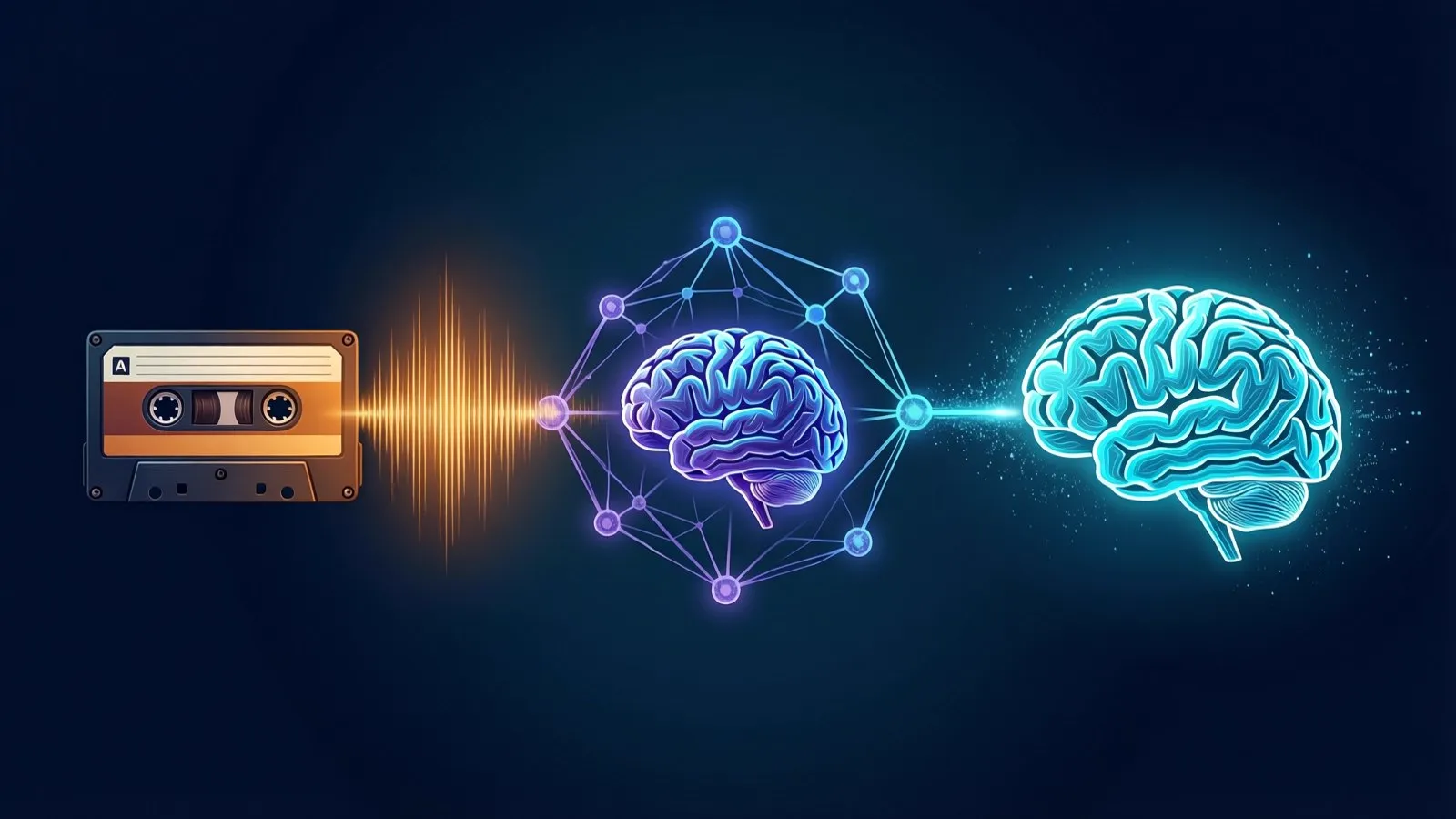
Modern AI voice cloning uses neural networks trained on large datasets of human speech. When you upload audio of a specific person, the system fine-tunes its model to replicate their unique vocal characteristics: pitch, tone, cadence, accent, breathing patterns, and even subtle speech habits.
What You Need Before You Start
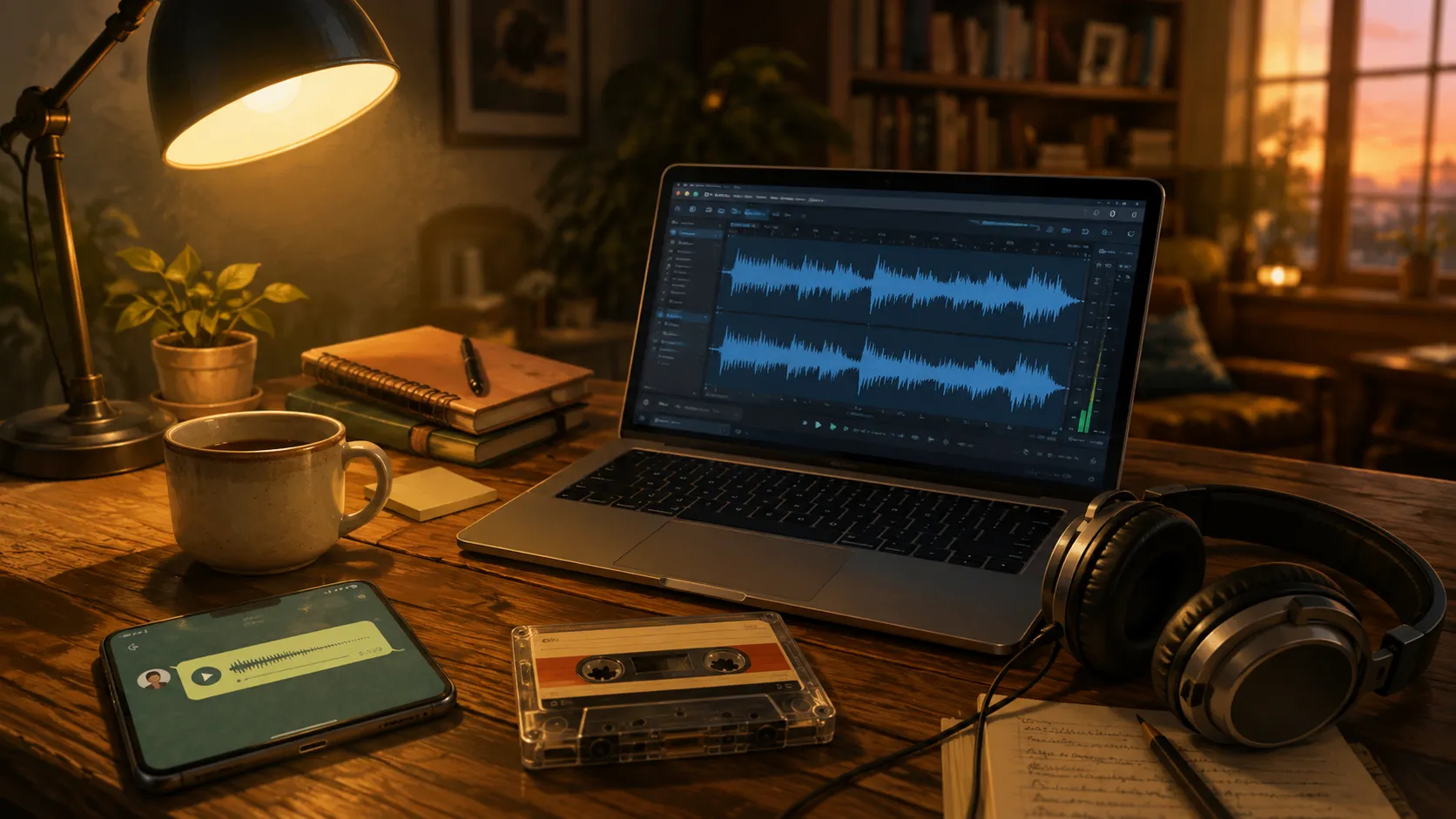
The quality of a cloned voice depends almost entirely on the quality and quantity of your source audio. Before choosing any tool, gather what you have.
Types of Audio That Work
- Voice memos and voicemails — the gold standard if the recording is clear and the person is speaking naturally
- Video recordings — home videos, phone videos, birthday messages. You can extract the audio track
- Phone call recordings — WhatsApp voice notes, iMessage audio, Telegram voice messages
- Interviews and speeches — any formal recording where the person is speaking at length
- Podcast or radio appearances — high quality, but the person may sound different than they did in private
What Makes Audio Good Enough
- Clean and clear, with minimal background noise. A quiet room recording beats a noisy restaurant
- Consistent in tone. If the person is laughing in one clip and whispering in another, the AI struggles
- At least 30 seconds long for instant cloning, ideally 1-5 minutes. More is better, but only if quality is consistent
- Standard audio formats (MP3, WAV, M4A) work well across all platforms
- From one time period. A person's voice changes over decades, and mixing eras produces inconsistent results
A 90-second clean recording will produce better results than five minutes of noisy, inconsistent audio. Quality matters far more than quantity.
How to Extract Audio from Video
- Online tools: FlexClip and Kapwing both offer free audio extraction from video files
- Desktop software: Audacity (free, open-source) can import video and export audio tracks
- Phone apps: Voice Record apps on iOS and Android can record system audio
- WhatsApp/Telegram: Tap and hold the voice message, tap Forward, then Save to Files
Tool Comparison: The Best AI Voice Cloning Options in 2026
Not all voice cloning tools are designed for grief applications. Some are general-purpose platforms that can be adapted. Others are built specifically for recreating a deceased person's voice.
Dedicated Grief Voice Services
| Platform | Price | Audio Needed | Best For |
|---|---|---|---|
| Honoring Voices | $79-$269 | Recording + script | Compassionate process |
| RightBack.ai | Free to create | Up to 25 samples | Voice + personality |
| Eternos | From $25/month | 300 phrases | Hybrid voice + stories |
| HereAfter AI | Free-$3.99/mo | Pre-death only | Pre-death planning |
| You, Only Virtual | $9.99-$19.99/mo | Conversations | Phone call sims |
General Voice Cloning Tools
Step-by-Step: How to Clone a Voice Using ElevenLabs
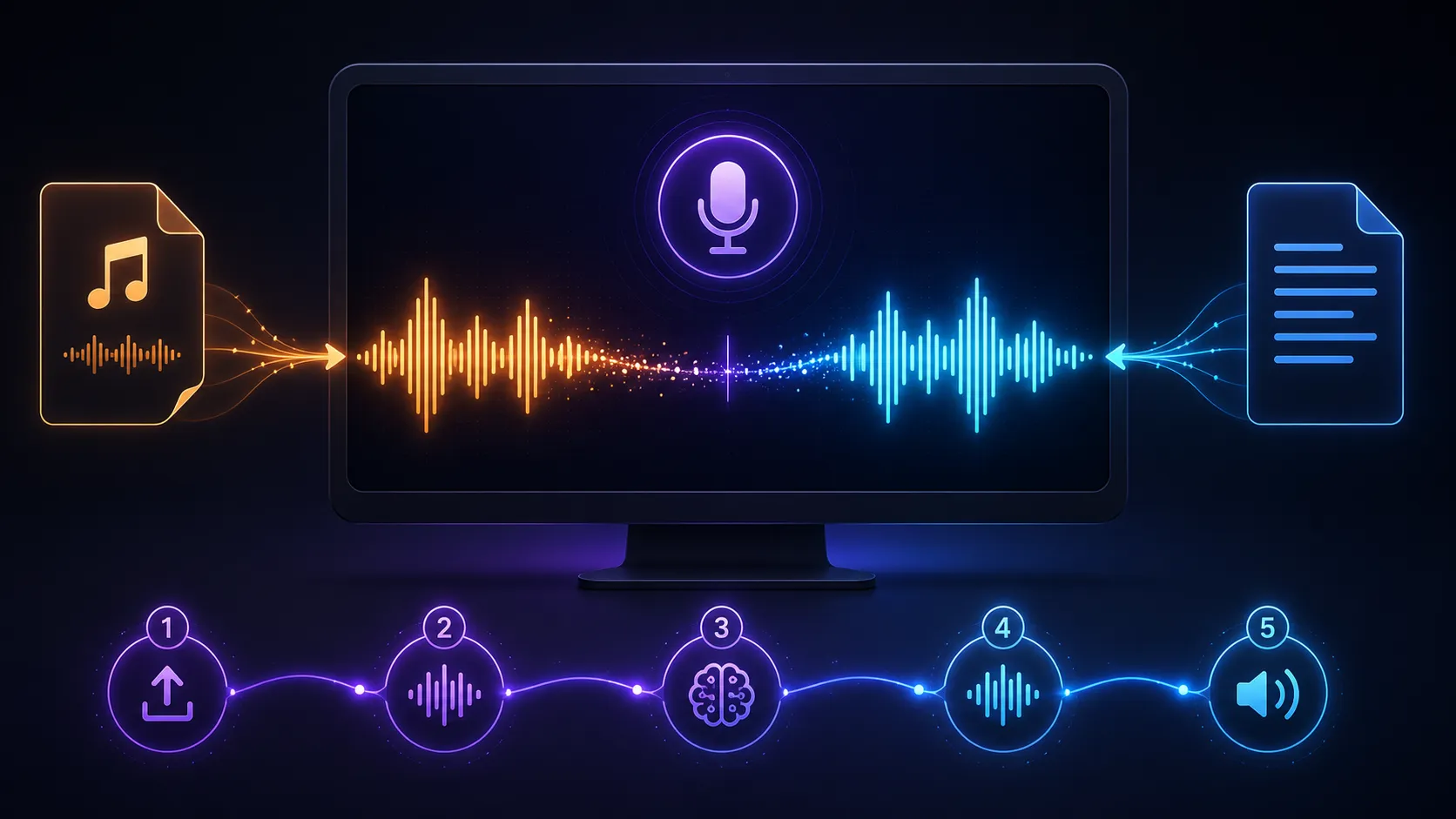
ElevenLabs is the most widely used tool for this purpose. Here's exactly how it works.
What to Expect
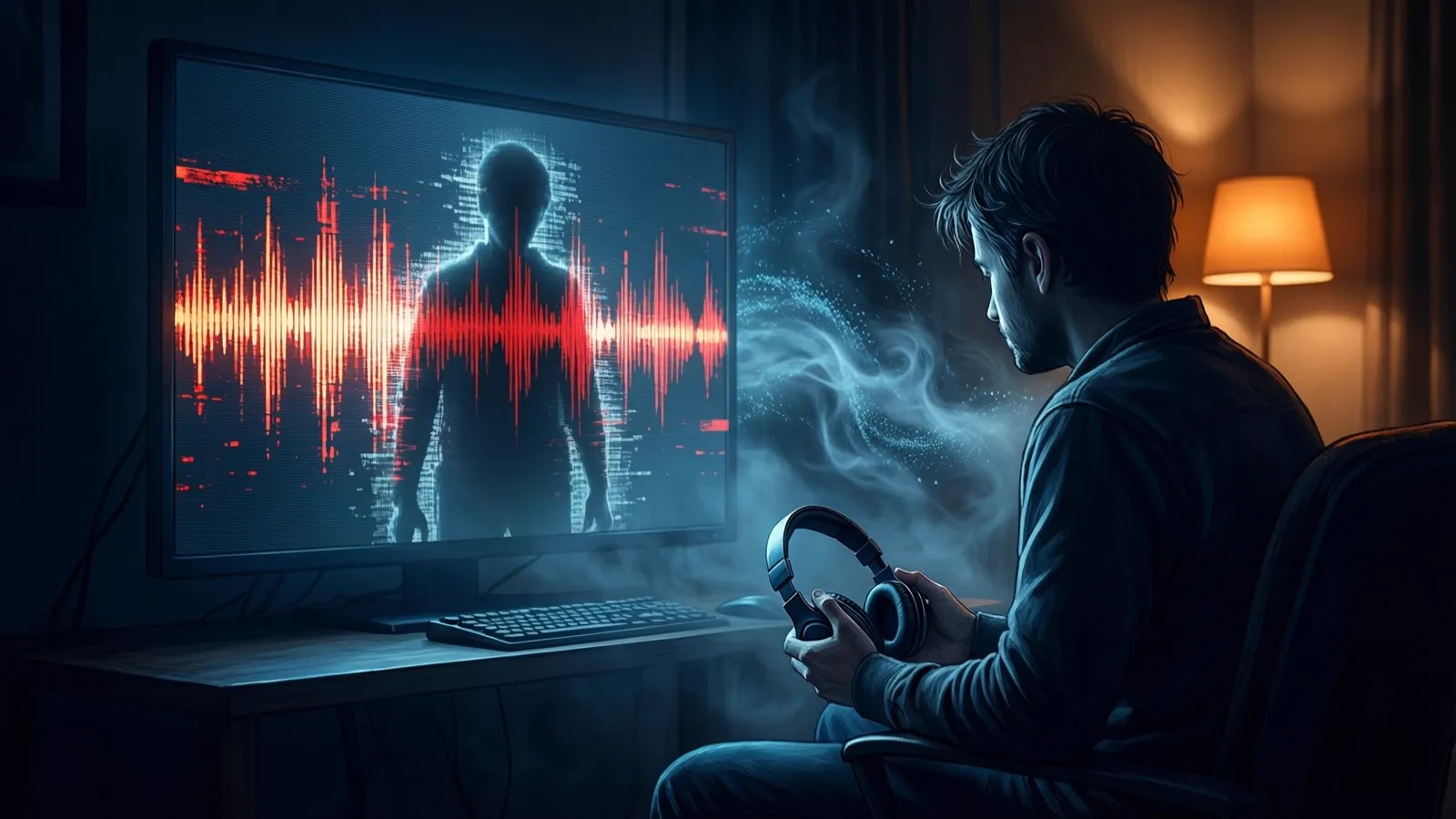
The result will sound similar to the person, but it won't be perfect. The AI captures the acoustic qualities of the voice — pitch, rhythm, tone — but it doesn't replicate emotion, intent, or personality. Some people find the similarity striking. Others find that even small inaccuracies make the experience unsettling.
"I cloned my deceased father's voice using AI and old audio clips of him. It's strangely comforting just to hear his voice again."
"It's almost like he lives in the Dadbot now. I can't get to him internally."
What Can Go Wrong: The Risks of Voice Cloning
Voice cloning technology is powerful, but it's not without risks. Understanding these before you start can help you make a more informed decision.
The Uncanny Valley Effect
When a cloned voice is almost right but not quite, the brain registers it as wrong. For grieving people who are exquisitely attuned to every detail of how their loved one sounded, even small inaccuracies can be deeply unsettling. Research from University College London published in 2025 found that listeners could consistently identify something wrong with cloned voices of people they knew personally, even when casual listeners couldn't tell the difference — see the published findings in the Journal of the British Academy.
Memory Distortion
Over time, your memories of the person's voice may start to blend with what the AI has generated. The AI might produce a slightly different inflection or rhythm. If you listen to the cloned voice repeatedly, those differences can become part of how you remember the person sounded.
Nora Freya Lindemann, a doctoral researcher at Osnabrück University who studies AI ethics, has raised this specific concern: that AI-generated content can gradually replace authentic memories — see Osnabrück University's research on AI ethics.
Emotional Dependency
Several people who have cloned voices of deceased loved ones describe the experience as addictive. The same dependency risks that apply to grief chatbots apply to voice cloning. If the cloned voice becomes your primary way of connecting with the person's memory, it may delay or complicate the natural grieving process.
"It felt addictive to speak to someone I couldn't for years. It could have ended up as a pit for me that I may have not been able to escape."
Privacy and Data Security
When you upload audio recordings of a deceased loved one to a voice cloning platform, you're sharing deeply personal data with a third-party company. Key questions to ask:
- Is my data encrypted in storage and in transit?
- Can I permanently delete my data?
- Is my audio used to train the company's AI models?
- Is my data shared with or sold to third parties?
- What happens to my data if the company shuts down?
In 2023, Replika pushed an unannounced software update that fundamentally changed its AI companions overnight. Users lost the voices and personalities they had built relationships with. If a voice cloning platform does something similar, your cloned voice could disappear or change without warning.
Fraud Risk
The FTC has warned that scammers are using AI voice cloning to impersonate family members in emergency scams. A cloned voice can be used to create convincing phone calls requesting urgent money transfers. If you're creating a voice clone, be aware that the audio files could potentially be misused if they fall into the wrong hands.
Legal and Ethical Considerations
Consent of the Deceased
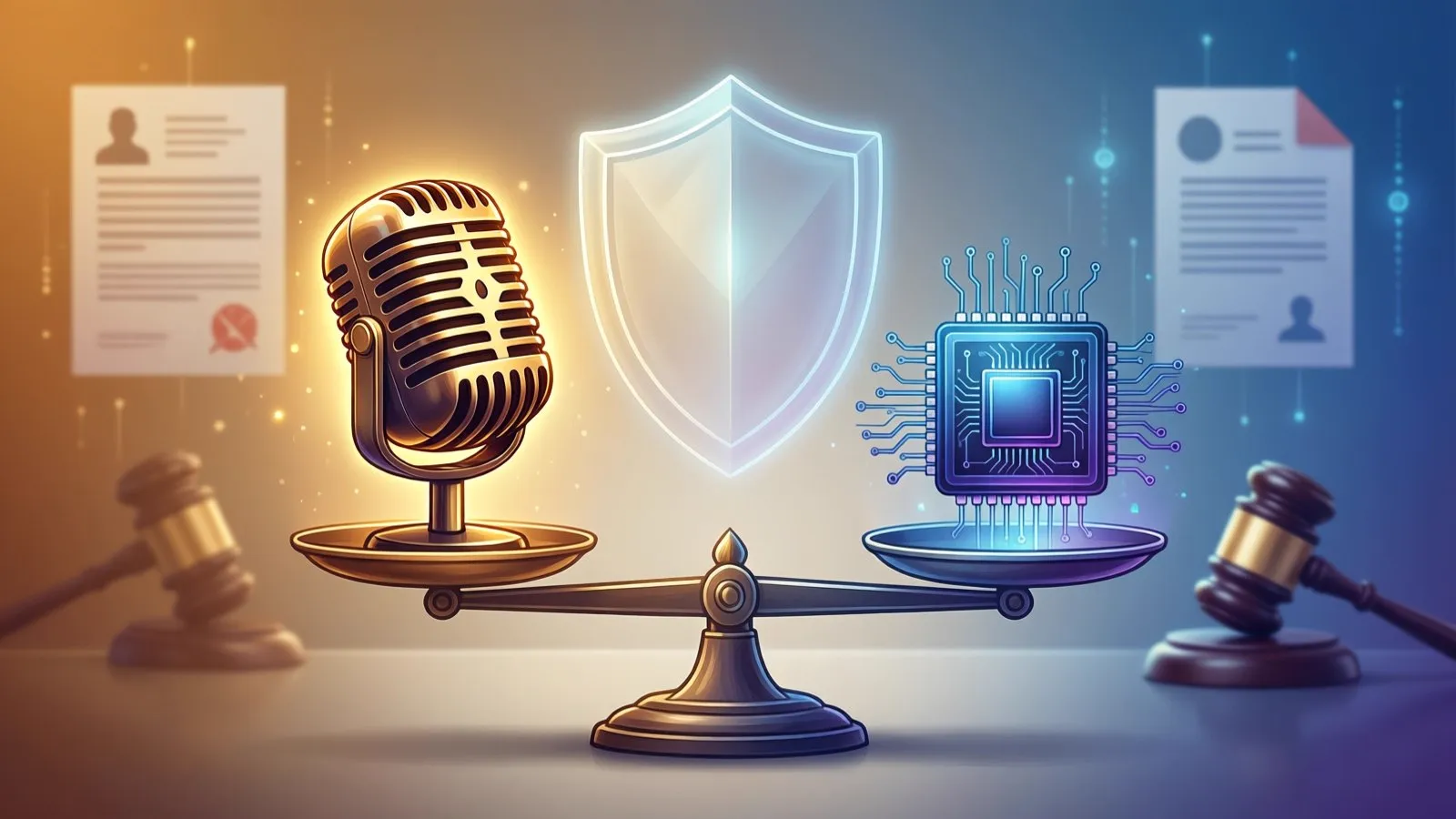
Most voice cloning tools can create a replica without the deceased person's explicit consent. If you have recordings of their voice, you can upload them. Whether the person would have wanted this is a question the technology doesn't answer.
California considers voice part of a person's identity, and unauthorized commercial voice cloning can result in civil penalties. Illinois' Biometric Information Privacy Act explicitly includes voiceprints and requires written consent. Washington state, effective June 2026, protects against forged digital likenesses with penalties up to $3,000 per violation. However, these laws primarily target commercial exploitation, not personal use by grieving family members.
The Pre-Death Alternative
HereAfter AI and StoryFile offer a fundamentally different approach. Instead of cloning a voice from old recordings after someone dies, these platforms have the person record themselves while they're still alive. They answer hundreds of questions, telling their own stories in their own words. This solves the consent problem entirely.
James Earl Jones signed over rights to his voice for Darth Vader before his death in 2022 — see Lucasfilm's official documentation. His approach — making a conscious, documented decision about how his voice would be used — is the gold standard for ethical voice preservation.
Safer Alternatives: Preservation Without Cloning
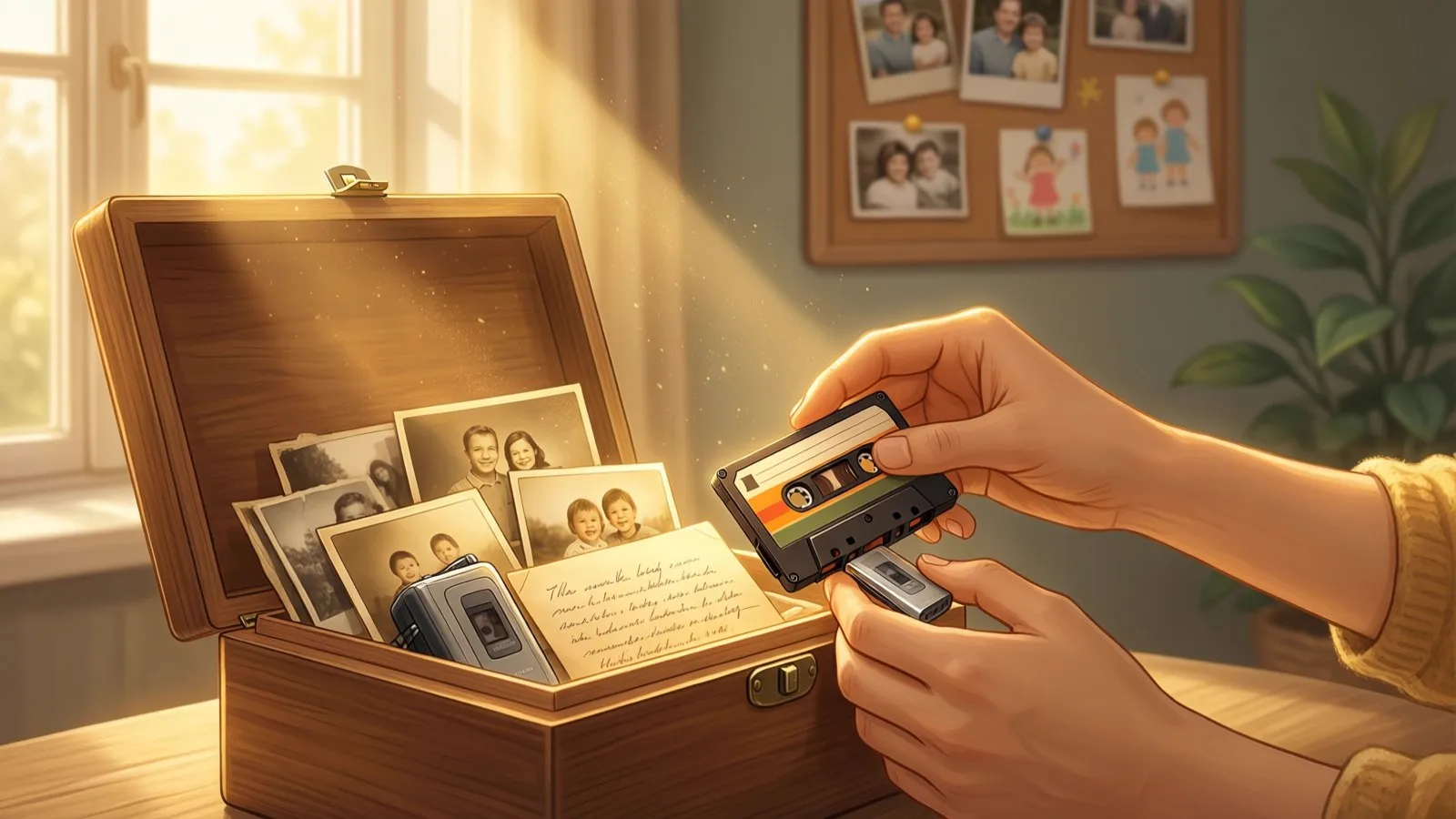
If the risks of voice cloning give you pause, there are meaningful ways to preserve a person's voice without generating new audio.
Create a Voice Archive
Curate the person's existing recordings: voicemails, voice notes, video messages, birthday greetings, casual conversations. Organize them chronologically or thematically. Store them in a secure location — an external hard drive, a password-protected cloud folder, or both.
"Instead of generating new messages, they curated her voicemails: a greeting, a birthday wish, a snippet of laughter. Each was stored in a secure family archive."
The words are real. The voice is real. Nothing is fabricated. And you can listen to them whenever you need to.
Record Stories While You Can
If someone in your life is aging, ill, or approaching the end of their life, consider recording them now. Ask them to tell their stories. Ask about their childhood, their favorite memories, their advice for the people they love.
These recordings become irreplaceable. No AI can generate them after the person is gone. But a person telling their own stories in their own voice, right now, is something no technology needs to replicate.
Traditional Remembrance
Writing a letter to the person you lost, creating a photo album with captions in their voice, or compiling their favorite quotes and sayings can preserve the essence of who they were without any technology at all.
When Voice Cloning Helps vs. When It Harms
There's no universal answer about whether cloning a deceased loved one's voice is the right choice. But mental health professionals and people who have done it offer some guidance.
It May Help If
- You have reached a point of emotional acceptance and are looking for a way to maintain connection, not escape grief
- You understand that the cloned voice is a simulation, not the actual person
- You use it as one of several ways to remember someone, not your only coping mechanism
- You have a specific, meaningful purpose: hearing them say I love you one more time, or preserving a bedtime story tradition
- You start with short, intentional sessions and pay attention to how you feel afterward
It May Harm If
- The loss is recent and grief is acute. Several professionals warn that using AI during this phase can delay natural grieving
- You're expecting the AI to genuinely be the person, rather than a reflection of their voice
- You have a tendency toward dependency or addictive behaviors
- You're hoping the cloned voice will tell you things the person never said when they were alive
- You find yourself preferring the AI version over your own memories of the real person
If you're unsure, consider talking to a grief counselor before proceeding. They can help you assess whether voice cloning is likely to help or hurt your specific situation.
Frequently Asked Questions
The Honest Assessment
AI voice cloning for deceased loved ones is a deeply personal choice, and the honest truth is that the technology is both more capable and more limited than most people expect.
It's more capable in the sense that the audio can sound remarkably close to the real voice. People who have tried it consistently report being struck by how similar it sounds. It's more limited in that the voice is just sound — tone without emotion, words without meaning, pattern without person.
If you decide to try it, start with a free tool like ElevenLabs, use a short recording, generate a few sentences, and pay close attention to how you feel. The technology isn't going anywhere. You can always stop, and the original memories of your loved one's voice will still be yours.
This article is not medical or therapeutic advice. If you're struggling with grief, please reach out to a qualified grief counselor, therapist, or support group. Resources include the American Psychological Association's psychologist locator, Hospice Foundation of America, and online communities like r/GriefSupport.
If you found this guide useful, explore our full library of articles on AI companions and digital relationships If you're interested in exploring what AI companions can offer, start with 20 free credits at My Lover Online No credit card required, and your data is encrypted and never shared.

My Lover Online Team
Editorial Team
The My Lover Online team combines hands-on product development with industry research to provide honest, detailed guides on AI technology and its impact on human connection.